
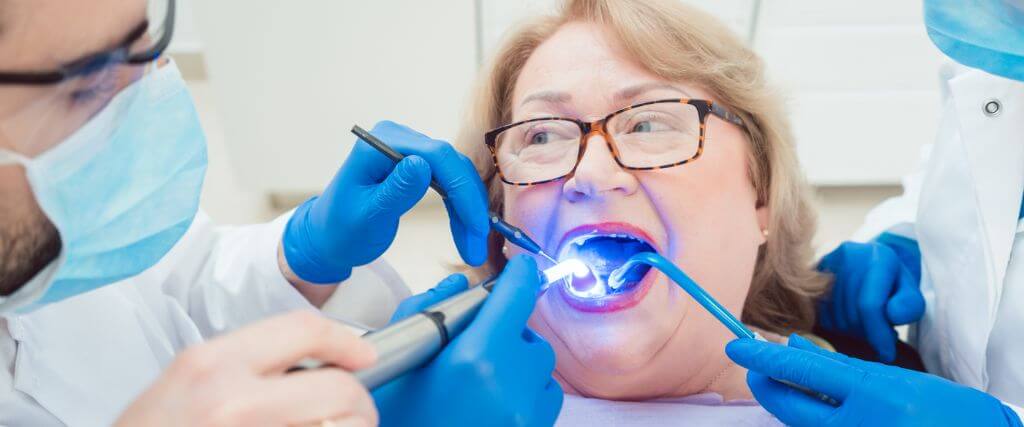
A dental crown is often the solution to restoring a tooth that has decayed or broken, and is a tooth-shaped cap made from durable metal, resin, or porcelain. They are often used to cover dental implants and teeth that have undergone a root canal. Dental crowns ensure your smile isn’t compromised from tooth damage or decay and can last up to 15 years. However, the lifespan of a dental crown is much shorter if proper care is not taken. Following are 5 tips for caring for your dental crown to ensure it lasts as long as possible and helps you maintain optimal oral health.
.jpg)
Keep Up With Brushing and Flossing
While your crown is technically artificial, it still requires care since the supporting tooth underneath needs to stay as healthy as possible. This means proper brushing to keep the crown free of plaque, as well as regular flossing since food particles are easily trapped between the crown and your gumline or a neighboring tooth. Since a permanent crown is strongly adhered with dental cement, you can brush and floss around it without worrying about damage.
Say No to Sticky and Hard Foods
Once you’ve received a dental implant, it’s important to be mindful of the foods you choose—especially if you’re a fan of chewy or hard candies. Although crowns are designed to be strong and long-lasting, they can still be damaged by frequent snacking on sticky or crunchy items like gum, hard candies, lollipops, chips, or nuts. Over time, these foods can put stress on the crown, potentially loosening it or shortening its expected lifespan of around 15 years.
It’s also wise to limit sugary snacks, even if they aren’t particularly hard or sticky. Sugar fuels cavity-causing bacteria, which can lead to decay around the crown. If you do indulge in something sweet, make sure to brush and floss afterward to clear away any lingering sugar and keep your implant restoration protected.
Eliminate Those Bad Habits
If you tend to bite your nails, chew on pens or pencils, or use your teeth to tear open packages, it’s time to rethink those habits—especially after getting a dental crown. These behaviors can put excessive pressure on the restoration, increasing the risk of cracking the crown or even chipping your natural teeth, which may lead to needing additional dental work. While these habits have never been ideal for your smile, they become even riskier with a crown in place. Moving forward, try to reserve your teeth for what they’re meant to do: chewing food, and nothing more..
Consider a Night Guard
If you have a history of grinding or clenching your teeth while you sleep, you risk damaging your dental crown. Regular biting while eating exerts approximately 200 pounds of pressure on your teeth — which means that grinding or clenching can increase that pressure tenfold. This puts any dental crown at risk of breaking. Inquire with your dentist about a possible grinding problem, which they can usually detect with a visual inspection of your teeth. If there are any signs, they can have you fitted for a night guard, which will curb that tendency and protect your dental guard from inadvertent damage.
Have Your Crown Checked Regularly
Once you have a dental crown, sticking to your regular six-month dental visits becomes even more important. During these routine appointments, your dentist will examine the crown to confirm it’s secure, intact, and functioning properly. They’ll also check the surrounding teeth and gum tissue to ensure everything is healthy enough to support the restoration long-term.
If you ever have questions about how to care for your crown or what habits to avoid to help it last as long as possible, we’re here to help. Don’t hesitate to reach out.