

If you are concerned about the appearance of your teeth or have a damaged tooth that requires treatment, you may be considering veneers, dental bonding, or crowns. Although each of these treatments can improve the appearance of your smile, they are used for different purposes and address different cosmetic and restorative concerns.
Choosing the right treatment depends on several factors, including the health and condition of your teeth, your desired results, your budget, and how much healthy tooth structure remains. Understanding the key differences between veneers, dental bonding, and crowns can help you discuss your options with your dentist and determine which treatment is most appropriate for your individual needs.
Understanding the Differences
Although veneers, bonding, and crowns can all improve the appearance of a tooth, they vary significantly in terms of durability, preparation, cost, and function.
| Treatment | Best For | Durability | Tooth Preparation |
|---|---|---|---|
| Veneers | Cosmetic improvements to the front teeth | 10-15+ years | Moderate |
| Bonding | Minor cosmetic concerns | 3-10 years | Minimal |
| Crowns | Damaged or weakened teeth | 10-15+ years | Most extensive |
Each option offers unique benefits, and the right choice often depends on whether the goal is primarily cosmetic, restorative, or both.
What Are Veneers?
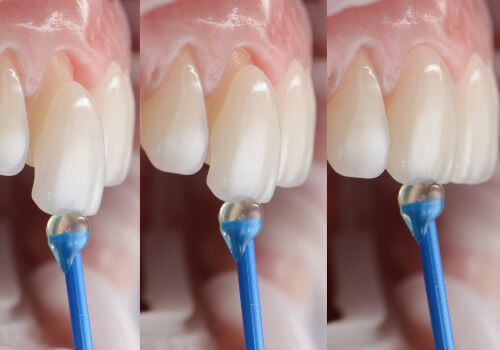
Veneers are thin shells, typically made of porcelain, that are bonded to the front surfaces of teeth. They are commonly used to improve the appearance of teeth that are stained, chipped, worn, slightly misaligned, or unevenly shaped.
One of the primary benefits of dental veneers is their ability to significantly enhance the appearance of a smile while still providing natural-looking results. Porcelain veneers are also more resistant to staining than composite materials, helping them maintain their color and appearance for many years with proper care.
Benefits of Veneers
- Highly aesthetic and natural-looking results
- Excellent stain resistance
- Long-lasting solution
- Can address multiple cosmetic concerns simultaneously
However, veneers generally require the removal of a small amount of enamel. Because enamel does not grow back, veneers are considered an irreversible treatment.
What Is Dental Bonding?
Dental bonding is a cosmetic treatment that uses tooth-colored composite resin to improve the shape, color, or overall appearance of a tooth. The resin is applied and carefully shaped directly on the tooth before being hardened with a specialized curing light.
Bonding is commonly used to repair small chips, close minor gaps between teeth, improve slight discoloration, or correct other minor cosmetic concerns. In many cases, dental bonding can be completed in just one appointment.
Benefits of Dental Bonding
- Typically completed in one visit
- More affordable than veneers or crowns
- Minimal removal of natural tooth structure
- Can effectively improve minor cosmetic concerns
While bonding is a conservative and cost-effective option, the composite material is generally more susceptible to staining, wear, and chipping than porcelain restorations.
What Are Dental Crowns?
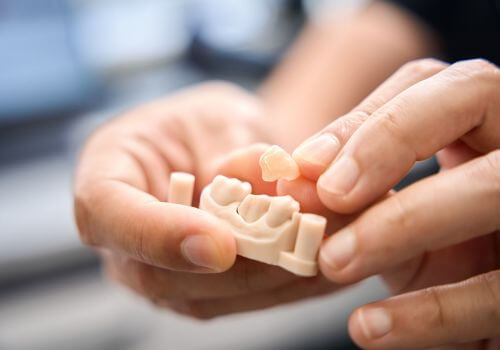
Dental crowns are custom restorations designed to cover and protect the entire visible portion of a tooth above the gumline. While veneers and dental bonding are often used to address cosmetic concerns, crowns are typically recommended when a tooth has significant damage or needs additional structural support.
Your dentist may recommend a crown if a tooth is severely worn, fractured, weakened by decay, or has undergone root canal treatment. Crowns can improve both the appearance and function of a compromised tooth.
Benefits of Dental Crowns
- Provides strength and protection for damaged teeth
- Restores normal chewing function
- Long-lasting and durable
- Can improve both aesthetics and structural integrity
Because crowns cover the entire tooth, they typically require more tooth preparation than veneers or bonding. However, they are often the most appropriate option when a tooth needs significant reinforcement.
How Do You Know Which Option Is Right for You?
The right treatment depends on the specific condition of your teeth and your goals for treatment.
You May Be a Good Candidate for Veneers If:
- You want to improve the appearance of your smile
- You have stains that do not respond to whitening
- You have minor chips or uneven teeth
- Your teeth are otherwise healthy and structurally sound
You May Be a Good Candidate for Bonding If:
- You have small cosmetic imperfections
- You want a more affordable treatment option
- You prefer a minimally invasive procedure
- You need a quick cosmetic improvement
You May Be a Good Candidate for Crowns If:
- Your tooth is cracked or weakened
- You have extensive decay or large fillings
- You have had root canal therapy
- You need both cosmetic and functional restoration
Why a Dental Evaluation Matters
Even patients with similar cosmetic concerns may receive different treatment recommendations depending on the health and condition of their teeth. For example, a healthy tooth with noticeable discoloration may be well suited for a veneer, while a tooth with extensive damage or weakened structure may benefit more from a dental crown.
During a consultation, your dentist will examine your teeth, discuss your cosmetic and functional goals, and review the advantages and limitations of each treatment option. This individualized approach helps create results that enhance the appearance of your smile while also supporting the strength, function, and long-term health of your teeth.
Choosing the Best Solution for Your Smile
Veneers, dental bonding, and crowns can each enhance the appearance of your smile, but they are designed to address different dental needs. Veneers are often used for more comprehensive cosmetic improvements, bonding provides a conservative option for correcting minor imperfections, and crowns restore and protect teeth that have experienced significant damage.
The right treatment depends on the condition of your teeth, your overall oral health, and the results you hope to achieve. A consultation with your dentist can help identify the most appropriate option for creating a healthy, functional, and natural-looking smile with lasting results.
If you have questions, we would love to answer them for you. Please give us a call at the office at (850) 629-5959, or you can email us at [email protected]. Our staff would love to talk with you!
Don't forget to follow us on social media Facebook, Instagram.