

Dental anxiety affects millions of people around the world and can create a difficult cycle. Fear of the dentist may cause individuals to delay or avoid routine care, which can lead to worsening oral health. As problems progress, the treatment needed often becomes more involved, which can increase anxiety even further. This common concern is one of the biggest obstacles to preventive dental care, yet many patients still struggle to address it. As dental professionals, we want to help patients understand how dental anxiety can impact oral health and offer practical tips for overcoming the fear of visiting the dentist.
The Scope of Dental Anxiety
Research shows that dental anxiety affects approximately 15 to 20 percent of the population, with severe dental phobia impacting a slightly smaller portion of adults. These statistics represent millions of people who avoid routine dental care, often choosing to live with pain or discomfort rather than seek treatment. Studies also show that women report higher rates of dental anxiety than men, and the condition often begins during childhood or adolescence, frequently following a difficult or traumatic dental experience.
The effects of dental anxiety extend beyond time spent in the dental chair. Many individuals experience significant stress in the days or even weeks leading up to an appointment, which can disrupt sleep, concentration, and overall well-being. Some patients also feel embarrassed about their fear, which can make the situation worse and discourage them from reaching out for the care they need.
The Hidden Costs of Avoidance
When patients avoid routine dental care due to anxiety, the consequences quickly compound. What begins as a simple need for a dental cleaning can escalate into problems requiring complex intervention within a matter of months. As a result, individuals with dental anxiety are substantially more likely to have missing teeth or experience dental pain compared to those who receive regular care.
The financial implications are staggering. Emergency dental visits cost significantly more than preventive care, and patients often require extensive treatment when they finally seek help. Research indicates that people who avoid routine care spend over 40% more on dental treatment throughout their lifetime compared to those who maintain regular visits.
Beyond individual health, dental anxiety also creates broader public health challenges. Poor oral health is linked directly to cardiovascular disease, diabetes complications, and respiratory infections. When large populations avoid dental care due to fear, community health outcomes suffer as a result.
Evidence-Based Interventions That Work
Cognitive Behavioral Therapy
Multiple studies demonstrate the effectiveness of cognitive behavioral therapy (CBT) for dental anxiety. This type of therapy works by helping patients identify and challenge irrational thoughts about dental treatment, while also teaching them practical coping strategies.
As dental professionals, we can incorporate basic CBT principles into our patient interactions. Simple techniques include helping patients recognize catastrophic thinking patterns, teaching breathing exercises, and gradually exposing them to dental stimuli in a controlled, supportive environment.
Sedation Dentistry
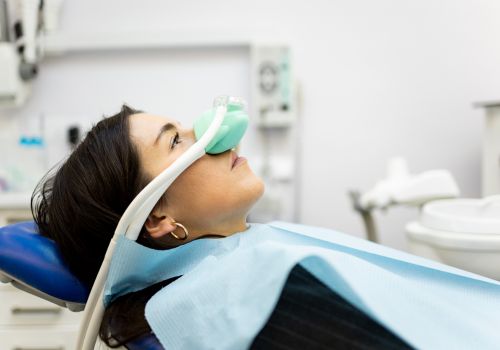
Scientific evidence supports various sedation methods for managing dental anxiety. Nitrous oxide (laughing gas) provides mild sedation while allowing patients to remain conscious and responsive. Studies show that most anxious patients report feeling more comfortable with nitrous oxide, and the method has an excellent safety profile.
Oral sedation with benzodiazepines can provide moderate relief for patients who experience anxiety during longer dental procedures. Studies show that oral sedation can significantly improve treatment acceptance among patients with high levels of dental anxiety. Intravenous sedation offers a deeper level of conscious sedation and is often the most effective option for individuals with severe dental phobia.
Communication Techniques
Effective communication also serves as a powerful tool for overcoming dental anxiety.
Effective communication strategies include:
- Explaining procedures before beginning
- Using non-threatening language
- Providing patients with control signals
- Offering frequent reassurance during treatment
- Checking in regularly about comfort levels
Innovative Approaches to Fear Reduction
Virtual Reality Technology
Virtual reality is a breakthrough in managing dental anxiety. VR distraction during dental procedures reduces anxiety scores by 30-40% compared to traditional distraction methods. Patients wearing VR headsets report feeling transported away from the clinical environment, effectively breaking the association between dental offices and fear.
Several dental practices now offer VR experiences ranging from peaceful nature scenes to engaging games. The technology works well for routine procedures, such as cleanings and fillings, where patients can immerse themselves in calming virtual environments.
Aromatherapy and Environmental Modifications
Recent research suggests that certain scents may help ease dental anxiety. Lavender aromatherapy, for example, has been shown to lower cortisol levels and reduce reported anxiety during dental treatment. Other scents, such as orange and vanilla, may also help create a more relaxing clinical environment.
Creating a calming setting goes beyond scent alone. Natural lighting, comfortable seating in waiting areas, and soothing background music can all help patients feel more at ease. Some dental practices have even redesigned their offices with a spa-like atmosphere, which has been linked to noticeable improvements in patient comfort and overall experience.
Mindfulness and Relaxation Techniques
Mindfulness-based interventions show significant promise for dental anxiety management. Research demonstrates that patients who practice mindfulness meditation before dental appointments experience less anxiety and report higher satisfaction with their care. Progressive muscle relaxation techniques are also effective, particularly when taught and practiced prior to treatment.
How Dentists Build Trust Through Patient-Centered Care
Trust is the foundation of successful anxiety management in dental settings. Patients with dental anxiety often have histories of negative dental experiences, making trust-building essential for treatment success. Practices that emphasize patient-centered care see dramatic improvements in anxiety management and treatment compliance.

Patient-centered care plays an important role in reducing dental anxiety. This approach includes involving patients in treatment planning, acknowledging their concerns without dismissing their fears, and maintaining clear communication about procedures and costs. When patients feel listened to and respected, their level of anxiety often decreases.
Trauma-informed care is also an important consideration in managing dental anxiety. Some patients may have experienced medical trauma unrelated to dentistry, which requires additional sensitivity and understanding from the dental team. Training staff to recognize signs of trauma and respond with empathy can help create a safer and more supportive environment for anxious patients.
Wrapping Up
Managing dental anxiety requires a multifaceted approach combining evidence-based interventions with compassionate care. The most successful practices develop comprehensive anxiety management protocols that address individual patient needs while maintaining efficiency.
Dental anxiety doesn’t have to be a permanent barrier to oral health. With proper understanding, evidence-based interventions, and genuine compassion, dental professionals can help patients overcome their fears and achieve optimal oral health. Don’t let anxiety prevent you from getting the dental care you need. Schedule an appointment with a dentist who prioritizes patient comfort today. If you have questions and you'd like to reach out to us, you can call us directly at (850) 629-5959, or you can email us at [email protected].