

Many people believe that dental problems are simply an unavoidable part of life. While factors such as age and genetics can influence oral health, many of the most common dental conditions are preventable. Practicing good oral hygiene, making healthy lifestyle choices, and keeping up with regular dental visits can help protect your teeth and gums over the long term.
Learning about the causes, symptoms, and treatment options for common dental problems can help you take a more proactive approach to your oral health. In many cases, identifying an issue early makes it easier to treat and manage before it becomes more serious.
Tooth Decay and Cavities
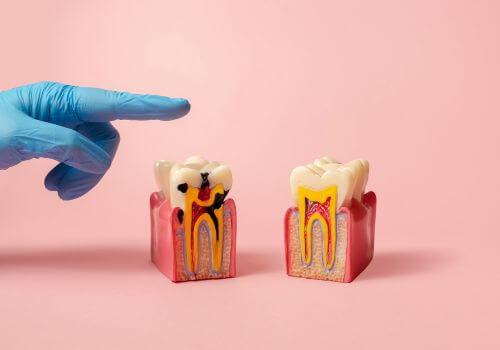
Tooth decay is one of the most common dental conditions worldwide. It occurs when bacteria in the mouth feed on sugars and carbohydrates from food and beverages. These bacteria produce acids that gradually weaken tooth enamel, leading to cavities.
Early signs of tooth decay may include tooth sensitivity, discomfort when eating sweets, visible discoloration, or small pits in the teeth. Without treatment, decay can progress deeper into the tooth and lead to more serious complications.
A cavity filling is often used to restore a tooth affected by early or moderate decay. During treatment, the damaged portion of the tooth is removed and replaced with a durable filling material. More extensive decay may require a dental crown or root canal treatment.
The Centers for Disease Control and Prevention reports that cavities are among the most common chronic diseases affecting both children and adults. Fortunately, regular brushing, flossing, fluoride exposure, and routine dental care can significantly reduce the risk of developing cavities.
Gingivitis and Gum Disease
Gingivitis is the earliest stage of gum disease and one of the most preventable oral health conditions. It develops when plaque accumulates along the gum line, causing inflammation of the surrounding gum tissue.
Common gingivitis symptoms include:
- Red or swollen gums
- Bleeding when brushing or flossing
- Tender gums
- Persistent bad breath
- Gum irritation or sensitivity
One of the encouraging aspects of gingivitis is that it is often reversible when treated in its early stages. Professional dental cleanings, along with consistent brushing and flossing at home, can help remove plaque buildup and restore healthy gum tissue.
If gingivitis is not treated, it can progress to more advanced forms of periodontal disease that may damage the gums and the supporting structures around the teeth. Treatment depends on the severity of the condition, but early intervention is one of the most effective ways to help prevent long-term complications.
Enamel Erosion and Tooth Sensitivity
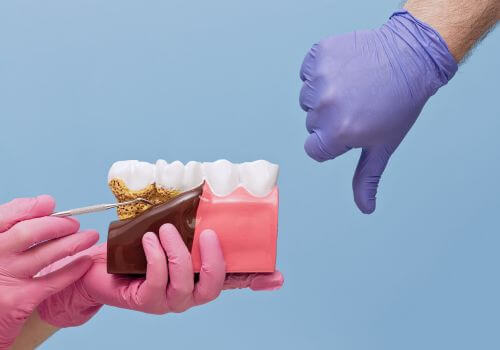
Tooth enamel is the hard outer layer that protects your teeth from daily wear and tear. Although enamel is extremely strong, it cannot regenerate once it has been lost. Enamel erosion occurs when acids gradually wear away this protective surface.
Frequent exposure to acids from sources such as soft drinks, sports drinks, citrus fruits, certain medications, and acid reflux can gradually wear away tooth enamel. As enamel becomes thinner, teeth may begin to look dull, yellow, or more translucent.
People with enamel erosion often experience increased sensitivity to hot, cold, sweet, or acidic foods and drinks. Depending on the extent of the damage, your dentist may recommend fluoride treatments, dental bonding, or dietary changes to help protect the remaining enamel and reduce sensitivity.
A few simple habits can also help limit enamel wear. Drinking water after consuming acidic foods or beverages can help rinse away acids, and waiting at least 30 minutes before brushing gives softened enamel time to recover before brushing.
Dental Damage from Everyday Habits
Not every dental problem is the result of plaque or bacteria. Some oral health issues develop because of everyday habits that place excessive pressure or stress on the teeth.
A chipped, cracked, or broken tooth can result from biting hard objects, chewing ice, using your teeth to open packages, or playing sports without wearing a protective mouthguard. Habitual teeth grinding and clenching can also weaken teeth over time, increasing the risk of fractures.
The appropriate treatment depends on the severity of the damage. Minor chips may be repaired with cosmetic bonding, while more extensive cracks or fractures may require a dental crown or another restorative procedure to protect the tooth and restore its function.
Wearing a custom mouthguard during athletic activities and seeking treatment for teeth grinding or clenching can help reduce the risk of many preventable dental injuries.
When Dental Problems Lead to Infection
Untreated dental issues can sometimes progress to more serious conditions. Advanced tooth decay, deep cracks, or severe gum disease may allow bacteria to enter the inner portions of a tooth, potentially leading to infection.
Common tooth infection symptoms may include:
- Persistent tooth pain
- Sensitivity to pressure or chewing
- Swelling of the gums or face
- Bad taste in the mouth
- Fever in some cases
A tooth infection requires professional evaluation and treatment. Depending on the situation, treatment for a dental abscess may include root canal therapy, drainage of the infection, or other restorative procedures. While antibiotics for tooth infection may sometimes be prescribed when clinically appropriate, they are often used alongside treatment that addresses the source of the infection rather than as a standalone solution.
Prompt treatment helps reduce the risk of complications and preserves as much healthy tooth structure as possible.
The Importance of Preventive Dental Care
Preventive dentistry is centered on detecting and treating small oral health concerns before they develop into more serious problems. Routine dental examinations allow your dentist to identify early signs of cavities, gingivitis, enamel erosion, and tooth damage, often before noticeable symptoms appear.
Professional dental cleanings remove plaque and tartar that cannot be fully eliminated with brushing and flossing alone. Additional preventive treatments, including fluoride applications, dental sealants, and custom night guards, may also be recommended to help protect your teeth from future damage.
In many cases, preventive care is less invasive, more comfortable, and more cost-effective than treating advanced dental problems. Combined with a consistent at-home oral hygiene routine, regular dental visits are among the best ways to support lasting oral health.
Protecting Your Smile for Years to Come
The most common dental problems are often the most preventable. Cavities, gingivitis, enamel erosion, and certain forms of dental damage can frequently be avoided through a combination of healthy habits, professional care, and early intervention.
By brushing and flossing daily, making informed dietary choices, and scheduling regular dental visits, you can significantly reduce your risk of developing serious oral health concerns. Taking preventive steps today helps create a healthier smile that can serve you well for years to come.
If you have questions, we would love to answer them for you. Please give us a call at the office at (850) 629-5959, or you can email us at [email protected]. Our staff would love to talk with you!
Don't forget to follow us on social media Facebook, Instagram.