
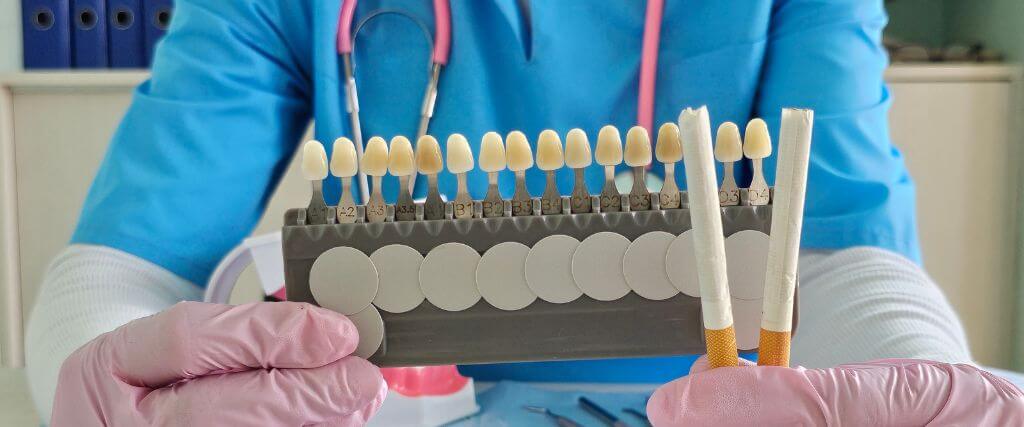
A bright, healthy-looking smile makes a lasting impression. Over time, however, many people notice their teeth becoming dull or discolored. Tooth staining is common and can develop gradually due to everyday habits, diet, and natural changes in the tooth structure. The good news is that there are practical, dentist-recommended ways to help prevent tooth staining and maintain a more vibrant smile.
Understanding what causes tooth discoloration and how to minimize it can make a meaningful difference. Below, we explore simple, effective strategies to help reduce staining and support long-term oral health.
What Causes Tooth Staining and Discoloration?
Tooth discoloration generally falls into two main categories: extrinsic and intrinsic stains. Extrinsic staining affects the outer surface of the tooth enamel and is commonly caused by certain foods, beverages, and lifestyle habits. Intrinsic discoloration occurs within the tooth structure and may result from factors such as aging, certain medications, or dental trauma.
Enamel, the outer layer of the tooth, is porous. This means it can absorb pigments from what you eat and drink. Over time, these pigments can accumulate and lead to visible discoloration. In addition, as enamel naturally thins with age, the yellowish dentin underneath can become more noticeable.
Diet and Tooth Staining: What to Watch For
Certain foods and beverages are more likely to cause tooth staining because of their dark pigments and acidity. Common examples include coffee, tea, red wine, soda, berries, tomato-based sauces, and deeply colored spices such as curry.
Avoiding these foods and drinks entirely may not be practical, but a few simple habits can help limit their effects. Drinking water after consuming stain-causing foods or beverages can help rinse pigments from the teeth before they settle into the enamel. After having something acidic, wait about 30 minutes before brushing, as brushing immediately may damage enamel that has been temporarily softened by acid.
Helpful Habits to Reduce Staining from Foods and Drinks
- Rinse your mouth with water after meals or beverages.
- Enjoy staining drinks in one sitting rather than sipping over long periods.
- Pair stain-causing foods with meals instead of consuming them alone.
- Maintain regular brushing and flossing habits.

Does Using a Straw Help Prevent Tooth Stains?
Drinking through a straw can be a simple way to reduce the amount of contact between stain-causing beverages and your teeth, particularly when enjoying iced coffee, tea, or soda. A straw helps direct the liquid toward the back of the mouth, which may reduce exposure to the visible front surfaces of the teeth where discoloration is often most noticeable.
Although using a straw cannot completely prevent tooth staining, it can complement other habits designed to protect the appearance of your smile. Reusable straws can also provide a more environmentally conscious option for making this part of your routine.
The Impact of Tobacco on Tooth Discoloration
Tobacco use is a well-known contributor to tooth staining. Products such as cigarettes, cigars, and chewing tobacco contain tar and nicotine, which can lead to yellow or brown discoloration over time. These stains can become deeply embedded in the enamel and may be more difficult to remove with routine brushing alone.
In addition to cosmetic concerns, tobacco use can negatively affect overall oral health. Reducing or quitting tobacco use may improve both the appearance of your smile and your long-term dental health.
Daily Oral Hygiene for a Brighter Smile
Consistent oral hygiene is one of the most important steps in preventing tooth staining. Plaque buildup can trap pigments from food and drinks, making discoloration more noticeable and harder to remove.
According to the American Dental Association (ADA), brushing twice a day with a fluoride toothpaste and a soft-bristled toothbrush helps remove surface stains and plaque. Daily flossing is equally important, as it cleans between teeth where stains and debris can accumulate. Regular dental checkups and professional cleanings also play a key role in maintaining a brighter smile.
Professional Teeth Whitening Options
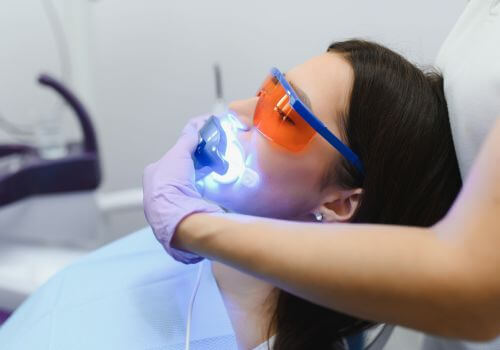
If your teeth have already developed noticeable discoloration, professional teeth whitening may help improve the brightness of your smile. Dental offices offer whitening treatments designed to safely lighten the color of teeth and minimize the appearance of certain stains.
Your dentist can evaluate the type and severity of the discoloration to determine which whitening option may be most appropriate. In-office teeth whitening generally produces faster and more noticeable results, while professional take-home treatments provide a more gradual approach under the guidance of your dental team.
Not every type of tooth discoloration responds to whitening in the same way. A professional dental evaluation can help establish realistic expectations and identify the treatment option best suited to your individual needs.
Long-Term Habits to Maintain a Radiant Smile
Preventing tooth staining is often about consistency. Small daily choices can add up over time and help preserve the natural brightness of your teeth. Combining mindful eating habits, proper oral hygiene, and routine dental visits creates a strong foundation for a healthy smile.
While some degree of discoloration may occur naturally with age, proactive care can help minimize its appearance. If you have concerns about tooth color or are interested in whitening options, your dental team can provide personalized guidance based on your needs.
When to Talk to Your Dentist About Tooth Discoloration
Not every change in tooth color is the result of surface stains. In some situations, discoloration may be caused by an underlying dental issue or related to previous dental treatment. If you notice a sudden change in color or discoloration that affects only certain teeth, scheduling a dental evaluation is recommended.
Your dentist can identify the cause of the discoloration and determine whether it is primarily a cosmetic concern or requires additional treatment. Having changes evaluated early can help address potential problems promptly while supporting your long-term oral health.
If you have questions, we would love to answer them for you. Please give us a call at the office at (850) 629-5959, or you can email us at [email protected]. Our staff would love to talk with you!
Don't forget to follow us on social media Facebook, Instagram.