
Maintaining good oral health is important at every stage of life, but it becomes especially important as we age. Changes in overall health, medications, and natural aging can affect the teeth, gums, and mouth in ways that increase the risk of dental problems. Issues such as gum disease, dry mouth, tooth decay, and tooth loss become more common among older adults, making preventive care essential.
The good news is that many age-related dental concerns can be prevented or managed with the right habits and regular professional care. By taking a proactive approach to oral health, seniors can protect their smiles, maintain their confidence, and support their overall well-being.
Why Oral Health Matters as You Age
Your oral health is closely connected to your overall well-being. Healthy teeth and gums make it easier to enjoy a balanced diet, speak clearly, and feel confident during everyday interactions. Research has also identified links between oral health and certain systemic conditions, including diabetes and cardiovascular disease.
Many older adults also take medications that can decrease saliva production. Because saliva helps rinse away food particles and neutralize harmful acids, a dry mouth can increase the risk of tooth decay and gum disease.
The good news is that maintaining a healthy smile does not have to be complicated. A few consistent daily habits can make a meaningful difference in protecting your teeth and gums over time.
1. Maintain a Consistent Oral Hygiene Routine
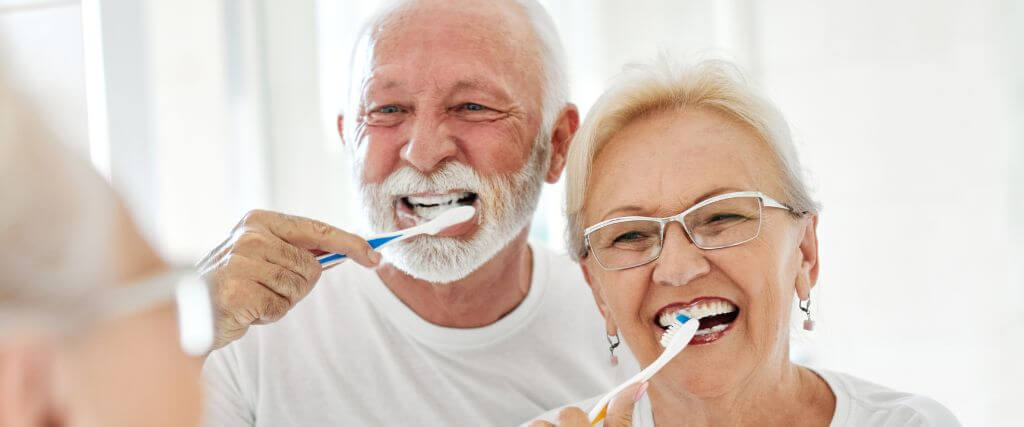
Daily oral hygiene remains one of the most effective ways to protect your teeth and gums. Brush your teeth twice a day using fluoride toothpaste and a soft-bristled toothbrush. Be sure to clean along the gumline, where plaque commonly accumulates.
Flossing or using other interdental cleaning devices is equally important because these tools help remove plaque and food debris from areas your toothbrush cannot reach.
If your dentist recommends it, an antimicrobial or fluoride mouthwash may provide additional protection against bacteria and tooth decay.

2. Schedule Regular Dental Visits
Routine dental visits become increasingly important as you get older. Professional dental cleanings remove plaque and tartar buildup that cannot be effectively removed with brushing and flossing at home.
Regular dental examinations also give your dentist the opportunity to detect potential problems early, when they are often easier to treat. During these appointments, your dental team may monitor for:
- Tooth decay
- Gum disease
- Worn or damaged dental restorations
- Oral cancer
- Changes related to dry mouth
Early detection often leads to simpler and more effective treatment options.
3. Stay Hydrated and Choose Tooth-Friendly Foods
What you eat and drink has a direct impact on your oral health. Drinking plenty of water throughout the day helps keep the mouth hydrated and supports healthy saliva production.
When possible, choose foods that provide important nutrients for oral health, including:
- Fresh fruits and vegetables
- Lean proteins
- Dairy products rich in calcium
- Foods containing vitamin D and phosphorus
Limiting sugary snacks, acidic beverages, and frequent snacking can help reduce the risk of cavities and enamel erosion.

4. Address Dry Mouth and Other Age-Related Concerns
Dry mouth is a common concern among older adults and may be caused by certain medications, underlying medical conditions, or cancer treatments. Because saliva plays an important role in protecting the teeth and gums, reduced saliva production can increase the risk of cavities, gum disease, bad breath, and oral discomfort.
If you regularly experience dry mouth, talk with your dentist. They can recommend products, home care strategies, or treatment options to help relieve symptoms and better protect your oral health.
It is also important to pay attention to any changes in your mouth, such as sores that do not heal, increased tooth sensitivity, bleeding gums, or difficulty chewing. Having these symptoms evaluated promptly can help identify potential problems early.
5. Avoid Tobacco and Limit Alcohol Consumption
Tobacco use significantly increases the risk of gum disease, tooth loss, delayed healing, and oral cancer. Quitting tobacco can have immediate and long-term benefits for both oral and overall health.
Excessive alcohol consumption can also contribute to dry mouth and increase the risk of oral health problems. Limiting alcohol and maintaining healthy lifestyle habits can help support a healthier smile.
When Should You Contact Your Dentist?
Do not ignore changes in your oral health simply because they seem like a normal part of aging. Contact your dentist if you experience:
- Persistent tooth pain
- Bleeding or swollen gums
- Loose teeth
- Dry mouth that does not improve
- Difficulty chewing
- Mouth sores that do not heal
Addressing concerns early can help prevent more complex dental problems and preserve your oral health.
A Healthy Smile for Your Golden Years
Maintaining good oral health is an important part of aging well. By following a consistent oral hygiene routine, scheduling regular dental checkups, staying hydrated, and addressing concerns early, you can help protect your teeth and gums for years to come.
Your smile contributes to your comfort, confidence, and overall quality of life. With daily care and ongoing support from your dental team, it is possible to maintain a healthy, functional smile throughout your senior years.
If you have questions, we would love to answer them for you. Please give us a call at the office at (850) 629-5959, or you can email us at [email protected]. Our staff would love to talk with you!
Don't forget to follow us on social media Facebook, Instagram.